
Fully Integrate Customized solar communication System
In an increasingly connected world, the challenge of maintaining communication in remote, off-grid areas remains a significant hurdle. This is where solar solutions come into play, offering a sustainable and reliable way to power communication devices where traditional power grids are absent. In this deep dive, we will explore how solar solutions are empowering remote communication, ensuring connectivity in the most isolated locations.
Basic Components of Solar Energy Systems
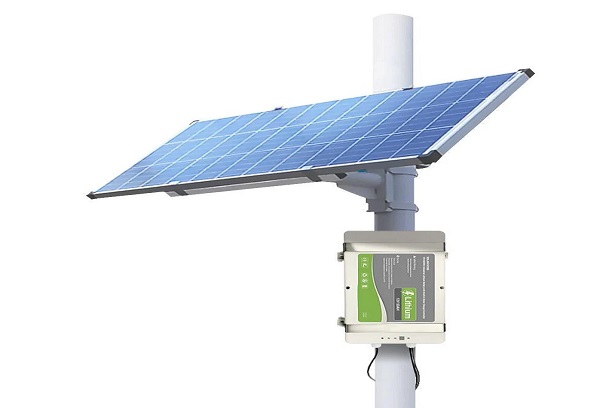
A typical solar energy system for remote communication includes photovoltaic (PV) panels, a charge controller, a battery storage system, and an inverter. This setup captures solar energy and converts it into a usable form to power various communication devices.
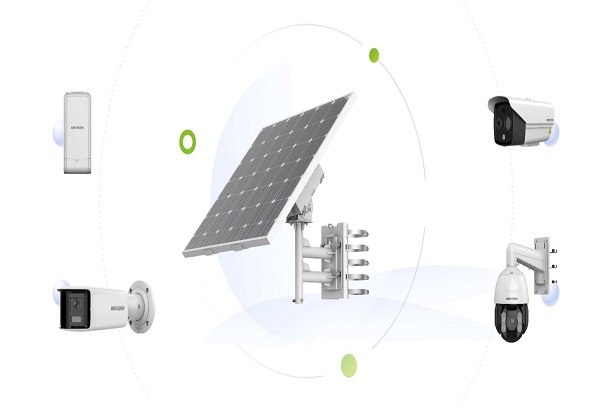
The great advantage of solar solutions is their versatility and adaptability. Systems can be customized to meet the specific energy requirements of different communication tools, whether it’s for a small research team or an entire remote village.
The evolution of solar technology has seen the creation of portable, lightweight solar chargers and power banks. These are ideal for individuals on the move, allowing them to keep communication devices like satellite phones and GPS trackers powered.
Assessing Energy Requirements
The first step in implementing solar solutions is to assess the specific energy needs for communication. This involves understanding the power requirements of all devices that need to be supported by the solar system.